
Marketing1on1: Pro Google Business Suspension Fix
“Within challenge, there is opportunity.” — Albert Einstein
When a GMB/GBP listing is taken down, local visibility can vanish overnight. Marketing1on1 provides a rapid, fully documented suspension fix. They work to restore suspended profiles and reappear in the local pack.
Drawing on practical tactics highlighted by industry experts such as Tom Nguyen, Marketing1on1 delivers reinstatement programs. These services are designed for businesses that moved locations or faced policy disputes. The approach prioritizes speed with warranty-backed outcomes.
Marketing1on1 pairs thorough auditing with data-backed appeals. As a result, clients get verifiable recovery for Cincinnati local search marketing. For small firms, reinstatement can turn lost leads into steady local traffic.
Why Google My Business Suspensions Happen and What It Means for Local Visibility
Google My Business suspensions can happen without warning, causing sudden visibility drops. Small businesses see a big drop in traffic when their listings are suspended. They need guidance to diagnose causes and regain visibility.
Common triggers include NAP inconsistencies, keyword stuffing in the business name, and having duplicate listings. Non-compliant virtual addresses also trigger issues. Local SEO experts often see suspensions when businesses move or set up their profiles wrong.
Abrupt loss of presence damages local performance. Out of the Local Pack means fewer clicks and weaker Maps presence. Professional services, home services, and healthcare often see requests and calls fall.
Local lead pipelines are hit quickly. Expect fewer calls and visits during suspension. Reinstatement efforts prioritize fast lead recovery.
Regular checks can prevent suspensions and make fixing them faster. Verify NAP and citations to surface early risks. When appealing, having clear evidence and a plan to fix the problem helps get back into the local pack.
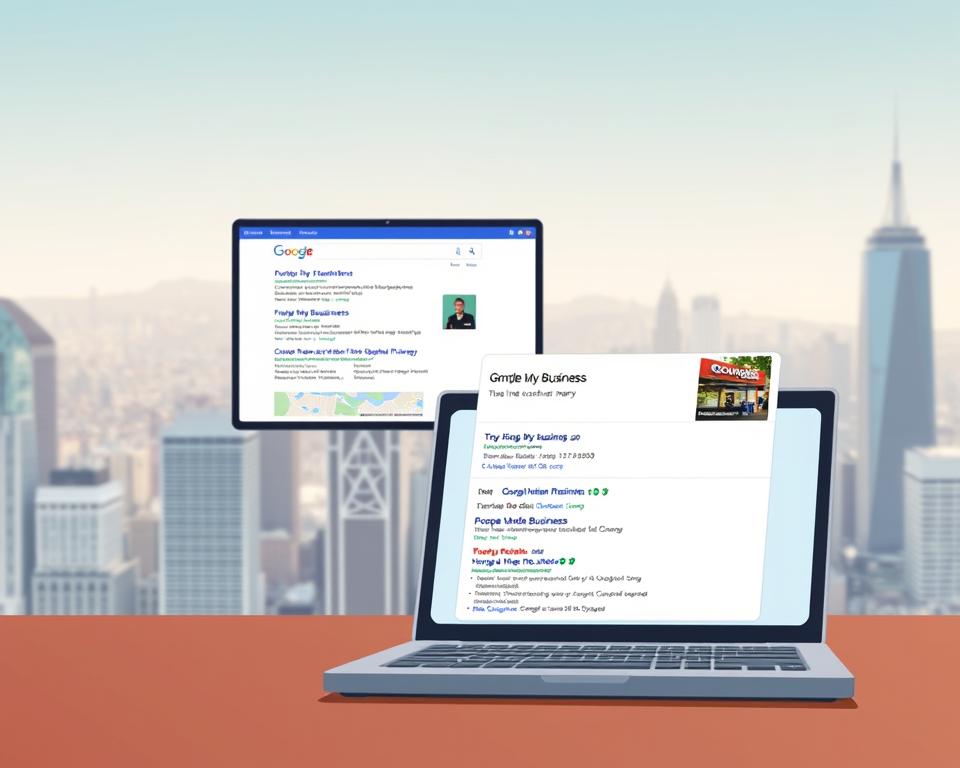
How Marketing1on1 Diagnoses Suspended Listings
They begin by collecting full listing details. They look at the history, recent changes, and any Google alerts. Rapid remediation aims to stabilize visibility.
Account & Listing Audit: First Steps
Ownership validation is confirmed. User roles and recovery paths are reviewed. Duplicate/merged profiles are identified and addressed.
They track any changes made around the time the listing was suspended. That record strengthens the appeal.
NAP & Citation Consistency Review
They make sure the business’s name, address, and phone number are the same everywhere. If these details don’t match, it can cause issues.
They also check the website for clear location information and contact details. This improves appeal reliability.
Finding Root Causes via History and Evidence
They analyze Google communications and prior suspensions. Relocations and rebrands are factored in. The data informs their strategy.
They compile a thorough case file. This file helps them diagnose the problem and find the best solution for reinstatement.
Google Business suspension fix: Step-by-Step Reinstatement Strategy
A clear plan is essential after suspension. Start with evidence collection. Then, they make controlled corrections and finish with a focused appeal. This flow improves reviewer clarity.
Preparing thorough documentation and evidence
First, collect government IDs, business licenses, and signed lease records. Also, get dated photos of the storefront and signage. These prove ownership and location.
Fixing Profile & Website Issues
Then remediate profile violations. Align name, phone, and address with site and citations. Eliminate spammy titles and duplicates. Also, update structured data and schema markup to help Google verify the listing.
Edit Timing & Sequencing
Make big changes first, then wait 48–72 hours before appealing. Don’t stack rapid edits that trigger reviews. Once the profile is updated, prepare your documentation and timeline for the appeal.
This approach mirrors local SEO best practices. It manages speed while safeguarding accuracy. Executed well, it strengthens reinstatement odds and turnaround.
How to File an Effective Appeal with Google
An effective Google appeal relies on clarity and evidence. Reference policy and demonstrate specific fixes. Create one organized packet. This makes it easier for the reviewer and cuts down on back-and-forth.
Writing a Policy-Centered Appeal
Start with a concise policy summary and corrective actions. Avoid emotional or subjective language. List the steps you’ve taken, like updating your hours or removing content. Use short, scannable sentences.
Providing Proof and Documentation
Attach ownership proof. Use official bills and licenses. Also, add clear photos of your exterior signage. Link domain to business via invoice or admin screen. Name your files clearly and label each document in your appeal.
Tracking and Following Up
Track dates, IDs, and replies. Assign one owner for follow-ups. If you don’t hear back in time, send a polite reminder that mentions your original appeal and any new evidence.
- Be concise and policy-focused.
- Attach relevant proof of ownership and fixes.
- Document all steps to streamline any re-appeal.
Agencies and consultants often use a clear appeal submission along with ongoing Google My Business suspension help. Structure and follow-through improve approval odds. This keeps the process manageable.
Service Options for Suspended Listings
Services are tailored to your risk and needs. They have packages ranging from full management to advisory support for your team. The goal is fast reinstatement and prevention.
End-to-End Appeal Handling
Experts manage the process end-to-end. They audit, collect evidence, remediate issues, and draft the appeal. This is best for companies facing big challenges like moving, having multiple listings, or legal changes.
Coaching, Audits, and Targeted Fixes
Advisory tiers focus on key gaps. Internal teams receive guided coaching. It blends in-house execution with expert oversight.
Ongoing Prevention Programs
After your listing is back, Marketing1on1 suggests keeping an eye on it. Plans include periodic audits, alerts, and site checks. This helps keep your listing safe and catches problems early to avoid another suspension.
- Warranties and SLAs align to urgency.
- Automated tools and manual checks combine to maintain consistent NAP and citation accuracy.
- Regular reporting keeps leadership informed of status, risks, and recommended next steps.
Case Studies and Real-World Results from Marketing1on1
They publish cases demonstrating successful recovery. Stories detail actions, timelines, and KPIs.
Recovered Listing Examples
A case featuring Tom Nguyen stands out. The move led to a profile suspension. An audit found address and website issues. The team fixed these problems and appealed. Within weeks, visibility returned.
Moves and Complex Changes
A service company updated service areas and phones. The team tracked and updated every listing. They supplied operating evidence. Once consistent, reinstatement followed quickly.
Measurable outcomes: restored visibility, leads, and conversions
Post-reinstatement, performance improved. Local rankings, calls, and sessions increased. Gains tracked back to the fixes.
Clients visualize improvements. They see the changes in rankings, calls, and leads. It informs ongoing optimization.
- Time-stamped appeals improve turnaround.
- Evidence of citation cleanup and website corrections.
- Comparative KPIs confirm recovery.
These examples offer a clear plan for teams facing suspended GMB accounts. They show how to get listings back and measure success. This supports data-driven improvements.
Recovery Pitfalls and How to Avoid Them
Getting a suspended Google Business Profile back needs a calm and careful plan. Rushing and poor documentation hinder success. Minor errors compound into delays.
Common issues that slow recovery include.
- Submitting vague or incomplete appeals
- Without clear ownership and fixes, appeals fail. Short, generic messages can leave reviewers confused. This leads to more appeals and more problems.
- Making repeated edits that confuse Google’s review process
- Frequent changes raise review flags. Too many quick changes make it hard to find the real problem. It slows the path to approval.
- Skipping NAP & Citation Checks
- Not matching NAP across websites, directories, and social media weakens your case. Keyword-stuffed names, bad virtuals, and dupes are common. Such gaps reduce approval odds.
Avoid pitfalls with a checklist: log edits, gather IDs/bills, plan sequencing. It cuts friction and improves approval chances.
Reinstatement Best Practices: Tech & Docs
Good docs and compliant tech setup drive success. Teams should gather proof that ties the business to its claimed location. Validate site and citations prior to appeal.
Use dated leases, utility bills, and licenses matching the profile. Add signed move notices and timely signage photos. Also, provide official email addresses and direct phone numbers that match the profile.
Keep the website policy-compliant. Publish a complete contact page. Implement LocalBusiness schema and test mobile. Avoid cloaking and show ownership signals.
Keep NAP identical everywhere. Use identical punctuation, abbreviations, and suite numbers everywhere. Log citation changes with timestamps/screens.
- Collect legal documents: lease, business license, dated photos of signage.
- Provide fast, official contact channels.
- Validate contact page, schema, and mobile.
- Log citation changes: timestamps, screenshots, directory confirmation.
This checklist improves approval chances. A clear set of records that verify business identity and show consistent NAP reduces review friction and speeds reinstatement.
How to Prevent Repeat Suspensions
Clear policies and periodic audits keep GBP active. Empower your staff with training on what’s allowed on GMB. This way, they can avoid mistakes during promotions, moves, and category changes.
Short, practical training sessions are key. They teach staff to spot risky edits before they happen.
Deploy monitoring tools for fast alerts. Alerts fire on account flags. Fast action limits downtime.
Make an internal checklist for changes to your listing. It should cover steps before updating addresses, phone numbers, or categories. Include documentation and site validation.
- Run quarterly audits for drift.
- Pre-update signoff including required documents and screenshot records.
- Clear roles for who may post, edit services, or respond to reviews.
Regular monitoring and audits catch small issues early. Combine these with staff training to build a strong defense. This helps prevent GMB suspension and keeps your profile active.
How Marketing1on1 Integrates Suspension Fixes into Broader Local SEO
Marketing1on1 sees fixing a Google Business listing as the first step in a bigger plan. After appeals and checks, they work on key local search signals. This helps avoid future problems and boosts visibility in search results and maps.
Citations & On-Site Alignment After Recovery
- They synchronize directory listings with GBP and site. This makes local SEO better by avoiding mismatches.
- They update on-site schema, title tags, and landing pages to match the business info. It clarifies signals for search engines.
- They schedule citations to avoid review triggers.
Content & Social Proof After Reinstatement
- They add fresh, verified imagery. Good photos help build trust fast.
- They solicit and respond to reviews promptly. This builds trust signals.
- They maintain consistent posting cadence. This keeps people interested while the listing gets stronger.
PPC + Organic Coordination Post-Reinstatement
- They launch PPC to support demand. This helps get leads right away as local SEO gets better.
- They make sure ad landing pages match Google Business details and on-site schema. Consistency reduces risk.
- They adjust budgets as organic improves. It optimizes ROI over time.
Wrapping Up
Getting a suspended listing back can be done with a clear plan, solid evidence, and quick action. Experts say that getting help from professionals can really make a difference. They help especially when a business has moved or has complex issues.
Marketing1on1 delivers audit-to-appeal support. They build compelling appeal packets. This approach is key to solving GMB suspension problems.
Companies value speed, clarity, and post-fix support. They prioritize responsiveness and documentation. This helps them get listings back fast, reducing lost time and improving visibility.
Getting listings back is just part of a bigger plan for local SEO. Consistency, compliance, and monitoring are foundational. Marketing1on1 combines detailed checks, solid appeals, and ongoing SEO work for a complete fix.
Common Questions
Why do GMB/GBP suspensions happen and why are they important?
Most suspensions stem from policy violations. Examples include NAP mismatches, keyword-stuffed names, and duplicates. Moves and major profile changes may prompt suspension.