
Have you ever asked yourself how a grease trap can prevent a plumbing breakdown? For those in commercial kitchen settings, grasping the ins and outs of septic grease trap cleaning is critical. This equipment is central to grease interceptor maintenance, pulling fats, oils, and grease (FOG) from wastewater. That helps your plumbing run smoothly. Let’s explore how skipping this crucial task can trigger significant repair expenses, compromise sanitation, and disrupt business continuity due to plumbing malfunctions. We’ll cover the vital practices for grease trap upkeep, spot indicators that show the need for immediate attention, and discuss the advantages of using professional sewage treatment services.
Official site about grease cleaning and pumping

Check this out about grease cleaning and pumping

Reference about grease cleaning and pumping
Understanding The Importance Of Grease Traps
Grease traps are vital in food preparation settings. They capture fat, oil, and grease from wastewater before it flows into the sewage system. This stops FOG from hardening and clogging plumbing lines.
Routine grease interceptor maintenance is key for meeting health codes, avoiding interruptions, and keeping restaurants and commercial kitchens running smoothly. Overlooking these responsibilities can lead to serious issues, including septic system failures and increased sewage treatment costs.
A clear understanding of grease traps helps business owners see why regular cleaning is so important. Not prioritizing this can harm sanitation, hygiene, and lead to unexpected financial burdens.
| Importance of Grease Traps | Description |
|---|---|
| Prevent Clogs | Grease traps reduce FOG buildup in pipes, supporting smooth, free-flowing drainage. |
| Health Compliance | Ongoing grease interceptor upkeep supports adherence to local health rules. |
| Cost Efficiency | Investing in FOG removal helps reduce long-term repairs and service expenses. |
| Hygiene Support | Effective grease traps maintain cleanliness in food service areas, protecting public health. |
Signs Your Grease Trap Needs Cleaning
Keeping an eye on your grease trap’s condition is crucial for effective sewage waste management. Recognizing when cleaning is needed can help you avoid costly plumbing issues. Here are some key indicators to watch for:
Drainage Issues: A Sign Of A Clogged Trap
When sinks and fixtures drain slowly, it often indicates the grease trap is clogged. Fats and oils, when they accumulate and solidify, block water flow. If you ignore it, you risk major backups that can cripple commercial kitchen plumbing.
Identifying Foul Odors In Your Kitchen
Foul smells in your kitchen are a clear warning that your grease trap is malfunctioning. These odors come from waste decomposition trapped inside. Not only do they make dining unpleasant, but they also pose health risks to your staff and customers.
Grease Leaks: Warning Signs To Watch
Seeing grease leaks nearby is another warning that cleaning is overdue. They suggest severe clogs that could escalate into larger plumbing issues. Consistent cleaning of commercial kitchen traps prevents problems, protects workflow, and supports health standards.
Septic Grease Trap Cleaning: Top Best Practices
Maintaining a clean septic grease trap is essential for plumbing performance and environmental standards. A consistent cleaning schedule is the foundation of a properly working grease interceptor. Following best practices helps extend system life and reduces the risk of clogged drains.
Consider hiring a trusted service for grease interceptor maintenance. Cleanings should happen every 1 to 3 months, based on your kitchen’s FOG output. This ensures the trap is completely emptied so harmful residues don’t accumulate.
Just skimming the grease trap’s surface is not enough; it leaves behind dangerous waste. A thorough deep clean removes grease and solids throughout the unit. This reduces future clogs and can lower drain cleaning expenses.
Inspecting connected pipework is another vital step. It can spot early signs of blockages, allowing for quick fixes. These steps reduce the risk of costly repairs and unexpected disruptions.
| Maintenance Aspect | Frequency | Benefits |
|---|---|---|
| Complete Grease Trap Cleaning | Every 1–3 months | Prevents buildup and reduces odor |
| Pipe And Line Inspections | Once per quarter | Spots developing clogs early |
| Regulatory Compliance Check | Yearly | Helps avoid fines and supports proper operation |
Selecting a trusted vendor such as Grease Trap Pumping Service can improve your upkeep program. They bring expert knowledge and ensure your system meets local laws. This leaves your operation free from worries and eco-friendly.
How Often Commercial Kitchen Traps Should Be Cleaned
The frequency of cleaning commercial kitchen traps is vital for efficient operations. Operations with heavy grease output should follow a strict schedule to avoid blockages and keep the kitchen clean. A well-planned cleaning strategy protects plumbing and your reputation.
Suggested Cleaning Schedule
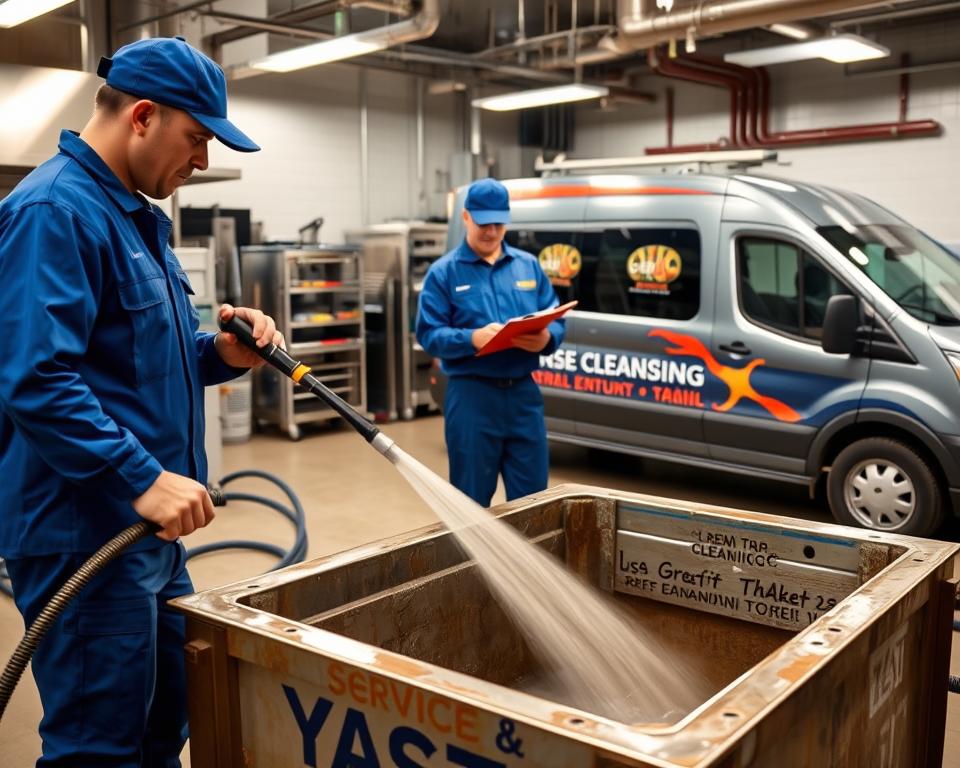
Experts often advise cleaning no less than every three months. In high-volume kitchens, more frequent cleaning may be necessary, even monthly. Sticking to a regular schedule ensures reliable operations and meets health standards.
What Affects Cleaning Intervals
A number of factors influence how often grease traps should be cleaned. Keep these key points in mind:
- Type Of Food Served: If you serve lots of fried or greasy foods, you’ll need more frequent cleaning.
- Facility Size: Larger kitchens with multiple cooking stations produce more waste and may need shorter intervals.
- Guest Volume: High customer traffic means more grease, impacting trap performance.
Reviewing these factors helps adjust the cleaning schedule for commercial kitchen traps. This ensures that unexpected problems don’t disrupt service. Staying proactive helps keep operations smooth and supports public health protection.
Why Choose Professional Septic System Service
In the restaurant and commercial kitchen world, investing in professional septic service is essential. It ensures the maintenance of grease traps, preventing costly repairs and avoiding fines from regulatory bodies. Experts offer comprehensive restaurant grease trap pumping, which includes cleaning, inspecting, and servicing the entire system. This approach removes grease while helping pipes and tanks operate properly.
Hiring professionals reduces the risks that come with manual cleaning. Incorrect methods can cause sewage backups and foul odors, disrupting business operations. Specialized sewage waste management companies tailor solutions to your needs and support regulatory compliance.
With specialized tools and experience, technicians can deliver efficient grease management. With professional septic system service, restaurant owners maintain smooth operations and stay focused on food quality and customer service.
Effective FOG Disposal And Its Impact On Your Business
Effective FOG disposal is essential for both environmental compliance and business continuity. Neglecting proper disposal can result in severe penalties, environmental damage, and increased operational costs due to plumbing issues. It’s vital to grasp the importance of this process for your business’s long-term success.
Poor FOG disposal can create more than financial losses. Clogs and backflows can create hazardous conditions and lead to health and safety violations. That kind of disruption can harm your business image quickly. When you prioritize best-practice FOG management, workflow stays smoother and sewage treatment becomes more efficient.
Choosing a specialized service like Grease Trap Pumping Service for maintenance can greatly reduce these issues. They ensure compliance and maintain a clean, healthy environment for employees and customers. Ultimately, proper FOG disposal supports stronger operations, better community trust, and fewer unnecessary issues.
Related: Check This Out About Grease Cleaning And Pumping Waste Management